
Duct Armor
  • Home
  • Photos
  • Product Testing
    • Fire Rating
    • Mold Testing
    • Asbestos Testing
    • Asbestos Encapsulation Testing
  • Our Service Area
  • Who We Serve
    • Commercial
    • Residential
    • Realtors
  • FAQ
  • Blog
  • Request Info
  • Menu Menu

Creating an Asthma-Friendly Home

March 5, 2025/in Air Quality

Creating an Asthma-Friendly Home: A Guide to Better Breathing

Transforming your home into an asthma-friendly space can make a big difference in managing symptoms and improving overall health. Here are some simple yet effective ways to create a healthier environment for you and your loved ones:

Control Humidity and Ventilation

Keep it Balanced: Maintain indoor humidity levels between 30-50% to prevent dust mites and mold from thriving. Use dehumidifiers in damp areas and install exhaust fans in bathrooms and kitchens. When the weather allows, open your windows to let fresh air in and keep pollen counts low.

Improve Air Quality

Breathe Easy: Invest in a high-quality air purifier with a HEPA filter to remove up to 99.97% of airborne particles. Place these purifiers in frequently used rooms like bedrooms and living areas. For areas with poor ventilation, consider portable HEPA air cleaners.

Reduce Allergens and Irritants

  1. Dust and Dust Mites: Wash bedding weekly in hot water (above 55°C), use allergy-proof covers for mattresses and pillows, and vacuum carpets and upholstered furniture regularly.

  2. Pet Dander: Bathe pets regularly, keep them out of bedrooms, and use HEPA filter air purifiers in areas where pets spend time.

  3. Mold: Regularly inspect and clean areas prone to moisture, and use mold-specific cleaners when needed.

  4. Pests: Implement effective pest control measures to reduce cockroach and mouse infestations.

Choose Asthma-Friendly Materials

Smart Choices: Opt for hard flooring like wood, tile, or vinyl instead of wall-to-wall carpeting. Select furniture made from materials such as wood, vinyl, plastic, or leather rather than upholstered options. When renovating, choose products certified by recognized asthma-friendly programs.

Use Safe Products

Clean with Care: Select non-toxic, fragrance-free, and eco-friendly cleaning products. Look for the Asthma & Allergy Friendly® Certification Mark when shopping for household items like vacuums, paint, bedding, and flooring. Avoid using scented products, including candles, air fresheners, and strongly scented personal care items.

Maintain HVAC Systems

Stay on Top: Regularly clean and replace filters in central heating and cooling systems. Consider installing air quality sensors to monitor your home’s indoor air quality.

By following these steps, you can create a more asthma-friendly home that reduces triggers and promotes better respiratory health for everyone


https://www.ductarmor.org/wp-content/uploads/2025/03/images-2.jpg 135 373 Candace https://www.ductarmor.org/wp-content/uploads/2025/01/cropped-DuctArmor_Logo_272-2.png Candace2025-03-05 09:40:472025-03-05 09:46:05Creating an Asthma-Friendly Home

A Senior’s Guide to Better Indoor Air

March 4, 2025/in Air Quality

Breathing Easy

As we grow older, the air we breathe inside our homes becomes increasingly important. Seniors, who often spend up to 95% of their time indoors, need to pay special attention to their indoor air quality. Let’s explore why this matters and how to improve it.

Why Indoor Air Quality is Crucial for Seniors

  1. Weakened Defenses: As we age, our bodies become less efficient at filtering out pollutants, making us more vulnerable to air quality issues.

  2. Health Impacts: Poor indoor air can worsen conditions like asthma, COPD, and heart disease, which are more common in older adults.

  3. Cognitive Function: Some studies suggest that indoor air pollutants may contribute to cognitive decline in seniors.

Simple Steps to Improve Indoor Air

Here are some easy ways to make the air in seniors’ homes cleaner and healthier:

  1. Open Windows Briefly: Let fresh air in for short periods to circulate and freshen the air.

  2. Keep It Clean: Regular dusting and vacuuming can significantly reduce allergens and pollutants.

  3. Monitor Humidity: Aim for indoor humidity levels between 30-50% to prevent mold growth and reduce dust mites.

  4. Use Air Purifiers: HEPA air purifiers can remove up to 99.9% of harmful airborne particles.

  5. Avoid Indoor Pollutants: Limit the use of harsh chemicals, aerosol sprays, and avoid smoking indoors.

  6. Green Your Space: Some indoor plants can help clean the air naturally. Spider plants and peace lilies are good options.

  7. Regular HVAC Maintenance: Have heating and cooling systems serviced annually to ensure they’re clean and working efficiently.

Did You Know?

  • Ozone and fine particulate matter (PM2.5) are particularly harmful to seniors’ health.

  • Indoor air can be 2-5 times more polluted than outdoor air.

  • Proper ventilation is key – use bathroom and kitchen exhaust fans to remove pollutants.

Remember, creating a healthier indoor environment isn’t just about comfort – it’s about supporting overall health and well-being for our seniors. By taking these simple steps, we can help ensure that the air our loved ones breathe at home is as clean and safe as possible.

https://www.ductarmor.org/wp-content/uploads/2025/03/download-7.jpg 177 284 Candace https://www.ductarmor.org/wp-content/uploads/2025/01/cropped-DuctArmor_Logo_272-2.png Candace2025-03-04 15:39:202025-03-04 15:39:20A Senior’s Guide to Better Indoor Air

Keeping Your Home Healthy with Pets

March 4, 2025/in Air Quality

 The Scoop on Pet Dander

As a pet owner, you love having your furry friends by your side. But did you know that they can also bring something unwanted into your home—pet dander? This tiny allergen can affect indoor air quality and even trigger allergies. Let’s dive into what pet dander is and how you can manage it to keep your home healthy and happy for everyone.

What is Pet Dander?

Pet dander is made up of tiny skin flakes that your pets shed. It’s so small that it can float in the air for hours, settling on surfaces and causing allergic reactions. Whether you have a cat, dog, rabbit, or even a bird, they all produce dander.

How Does Pet Dander Affect Indoor Air?

Pet dander can make indoor air quality worse, leading to allergies, asthma, and other breathing problems. Even if you don’t have allergies, it can still make your home feel less fresh and clean.

Simple Ways to Manage Pet Dander

Don’t worry, there are easy ways to reduce pet dander and keep your home healthy:

  • Groom Your Pet Regularly: A weekly bath can help reduce the amount of dander your pet sheds.

  • Clean Often: Vacuum and wash fabrics regularly to remove dander that’s settled.

  • Use an Air Purifier: HEPA air purifiers are great at capturing dander from the air.

  • Keep Your HVAC System in Check: Make sure your heating and cooling system is working well to circulate clean air.

By following these tips, you can enjoy a cleaner, healthier home with your pets by your side. Happy cleaning and happy snuggling!

https://www.ductarmor.org/wp-content/uploads/2025/03/download-6.jpg 183 275 Candace https://www.ductarmor.org/wp-content/uploads/2025/01/cropped-DuctArmor_Logo_272-2.png Candace2025-03-04 15:15:172025-03-04 15:28:10Keeping Your Home Healthy with Pets

Uncovering the Hidden Dangers in Your Home

February 28, 2025/in Air Quality

Uncovering the Hidden Dangers in Your Home: A Guide to Indoor Air Pollution

As we strive to create a safe and healthy living environment, it’s easy to overlook one of the most significant threats to our well-being: indoor air pollution. While we often focus on visible hazards, there are many hidden sources of pollution lurking in our homes. Let’s explore these lesser-known culprits and discover how to protect ourselves and our families.

The Cleaning Closet: A Source of Pollution?

Many of us use cleaning products and personal care items daily without realizing they can release volatile organic compounds (VOCs) into the air. These chemicals can not only affect indoor air quality but also contribute to outdoor pollution. To minimize this risk, opt for products with natural ingredients and use them sparingly.

Cozy Nights by the Fire: A Hidden Risk

Burning candles and using fireplaces can create a cozy atmosphere, but they also release particulate matter and VOCs into the air. Enjoy these comforts in moderation and ensure good ventilation to reduce their impact.

The Furniture You Sit On: Formaldehyde Risks

Some building materials and furniture, especially those made from pressed wood, contain formaldehyde, a known carcinogen. To mitigate this risk, improve ventilation in your home and consider using air purifiers designed to capture formaldehyde.

Radon: The Invisible Threat

Radon is a radioactive gas that can seep into your home through cracks and gaps, posing a significant risk of lung cancer. Use radon test kits to detect its presence and seal entry points to keep your home safe.

The Carpet Conundrum: Allergens and VOCs

Carpets and upholstered furniture can harbor allergens like dust mites and release VOCs. Regularly vacuum with HEPA filters and consider replacing with hardwood or low-VOC alternatives to reduce these risks.

Biological Pollutants: Mold and Pet Dander

Moisture can lead to mold growth, while pets introduce dander into the air. Maintain optimal humidity levels (between 40-60%) and regularly clean pet areas to keep these pollutants under control.

Cooking Up Pollution

Cooking, especially with gas stoves, can release harmful pollutants like particulate matter and VOCs. Use range hoods and ensure good ventilation to minimize these risks.

Taking Action: Steps to a Healthier Home

  1. Identify the Sources: Be aware of potential pollution sources in your home.

  2. Monitor Air Quality: Use sensors to detect pollutants like VOCs, particulate matter, and radon.

  3. Improve Ventilation: Regularly open windows and use fans to enhance airflow.

  4. Choose Low-VOC Products: Opt for cleaning and personal care products with minimal VOCs.

  5. Maintain Humidity Levels: Keep humidity between 40-60% to prevent mold growth.

By understanding these hidden dangers and taking proactive steps, you can create a safer, healthier living space for you and your loved ones. Start today and breathe easier tomorrow!

https://www.ductarmor.org/wp-content/uploads/2025/02/images.png 195 199 Candace https://www.ductarmor.org/wp-content/uploads/2025/01/cropped-DuctArmor_Logo_272-2.png Candace2025-02-28 10:20:442025-03-04 15:03:53Uncovering the Hidden Dangers in Your Home

Top Indoor Plants for Air Purification

February 24, 2025/in Air Quality

Breathing Easy: Top Indoor Plants for Air Purification

Indoor plants are not just aesthetically pleasing; they also play a crucial role in improving air quality by removing pollutants and toxins from the air. Here are some of the best plants to help you breathe easier at home:

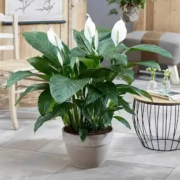
1. Peace Lily (Spathiphyllum)

  • Pollutants Removed: Ammonia, benzene, formaldehyde, trichloroethylene, xylene.

  • Care: Medium maintenance, prefers well-draining soil and moderate watering.

  • Special Feature: Produces beautiful white flowers and is known for its elegant appearance.

2. Snake Plant (Sansevieria Trifasciata)

  • Pollutants Removed: Benzene, formaldehyde, trichloroethylene, toluene, xylene.

  • Care: Low maintenance, tolerates low light.

  • Special Feature: Releases oxygen at night, making it perfect for bedrooms.

3. Spider Plant (Chlorophytum comosum)

  • Pollutants Removed: Formaldehyde, xylene.

  • Care: Easy to maintain, thrives in hanging baskets.

  • Special Feature: Great for beginners and produces cute white flowers.

4. Boston Fern (Nephrolepis exaltata)

  • Pollutants Removed: Cigarette smoke, formaldehyde, toluene, xylene, benzene.

  • Care: Prefers indirect sunlight and high humidity.

  • Special Feature: Acts as a natural humidifier, helping to combat dry skin.

5. English Ivy (Hedera helix)

  • Pollutants Removed: Benzene, formaldehyde, xylene, toluene, mold spores.

  • Care: Adaptable, can thrive in low light.

  • Special Feature: Easy to train on walls or trellises.

6. Golden Pothos (Epipremnum aureum)

  • Pollutants Removed: Benzene, carbon monoxide, formaldehyde, xylene.

  • Care: Low maintenance, adaptable to various conditions.

  • Special Feature: Can grow long vines, perfect for hanging baskets.

7. Bamboo Palm (Chamaedorea seifrizii)

  • Pollutants Removed: Trichloroethylene, benzene, xylene.

  • Care: Prefers bright, indirect light.

  • Special Feature: Adds moisture to the air, ideal for dry environments.

These plants not only purify the air but also add a touch of nature to your home, enhancing both your physical and mental well-being. Whether you’re a seasoned gardener or just starting out, incorporating these plants into your space can make a significant difference in air quality and overall ambiance.

https://www.ductarmor.org/wp-content/uploads/2025/02/Lily.webp 312 312 Candace https://www.ductarmor.org/wp-content/uploads/2025/01/cropped-DuctArmor_Logo_272-2.png Candace2025-02-24 12:50:062025-02-24 12:50:06Top Indoor Plants for Air Purification

Common Signs Your Air Ducts Need Cleaned

February 3, 2025/in Air Quality

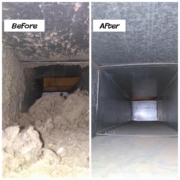
Dirty air ducts can compromise your home’s air quality, HVAC efficiency, and even your health. Recognizing the warning signs early helps prevent costly repairs and ensures a cleaner living environment. Here are the most common indicators that your air ducts need professional cleaning:

Visible Signs

  • Dust around vents: Dust puffing out when the system starts or accumulating on vent covers and nearby surfaces.
  • Mold growth: Visible mold or musty odors near vents indicate moisture issues in the ducts.
  • Debris in vents: Noticeable dirt, pet hair, or other particles in or around air vents.

Performance Issues

  • Uneven airflow: Some rooms feeling stuffy or having weak air output from vents.
  • Increased energy bills: Dirty ducts can force your HVAC system to work harder, leading to higher costs.
  • Strange noises: Rattling, whistling, or banging sounds from the ductwork.

Health Concerns

  • Worsening allergies: Persistent sneezing, coughing, or respiratory issues when indoors.
  • Pest evidence: Droppings, insect shells, or unusual odors suggesting pest infestation.

Other Factors

  • Recent renovations: Construction work often introduces dust and debris into ductwork.
  • Time since last cleaning: The National Air Duct Cleaners Association recommends cleaning every 3-5 years.

When to Schedule Professional Cleaning

The National Air Duct Cleaners Association (NADCA) recommends cleaning every 3–5 years, or more frequently if you have pets, allergies, or a large household. Costs average $500, but vary by home size and duct accessibility. Always hire certified professionals for mold removal or pest-related issues to ensure safe, effective results.

Addressing these signs promptly improves indoor air quality, reduces energy costs, and extends your HVAC system’s lifespan. Don’t wait until allergies flare or bills skyrocket—schedule an inspection if your ducts show any of these warning signals.


https://www.ductarmor.org/wp-content/uploads/2025/02/air-duct-clean.jpeg 1080 1080 Candace https://www.ductarmor.org/wp-content/uploads/2025/01/cropped-DuctArmor_Logo_272-2.png Candace2025-02-03 09:41:182025-02-03 16:00:05Common Signs Your Air Ducts Need Cleaned

Fresh Air, Smart Living: The AprilAire ERV Revolution

January 28, 2025/in Air Quality

Fresh air is essential for a healthy home, but how do you maintain it without skyrocketing energy bills? AprilAire, a trusted name in healthy air solutions since 1954, has the answer with their innovative Energy Recovery Ventilator (ERV).

What’s New?

AprilAire’s latest ERV is a game-changer for homeowners and builders alike. It offers top-notch air recovery and efficiency at a price that won’t break the bank, making it perfect for new home construction. But what exactly does it do?

  • Swaps stale indoor air for fresh outdoor air
  • Saves energy by transferring heat and moisture between air streams
  • Meets the latest building codes and standards

Why It Matters

Imagine your home breathing. In winter, the ERV exhales warm, moist air while inhaling cold, dry air. But here’s the clever part – it transfers that warmth and humidity to the incoming air, keeping your home cozy without overworking your heating system7.Come summer, the process reverses. The ERV helps remove excess moisture from incoming humid air, easing the load on your air conditioner7.

Benefits for Everyone

For Homeowners:

  • Healthier indoor air quality
  • Potential energy savings
  • Year-round comfort

For Builders and Contractors:

  • Meets IECC 2021 and ASHRAE 62.2 requirements
  • Easy installation with push-button controls
  • Suitable for homes up to 6,000 square feet

The Bottom Line

As we spend more time indoors, the quality of our home’s air becomes increasingly important. AprilAire’s new ERV offers an efficient, cost-effective solution to keep your home’s air fresh and healthy, all while potentially lowering your energy bills. It’s a breath of fresh air for the home ventilation market

https://www.ductarmor.org/wp-content/uploads/2025/01/download.jpg 225 225 Candace https://www.ductarmor.org/wp-content/uploads/2025/01/cropped-DuctArmor_Logo_272-2.png Candace2025-01-28 10:27:432025-01-29 16:12:15Fresh Air, Smart Living: The AprilAire ERV Revolution

Whole Home Air Wash System

January 22, 2025/in Air Quality

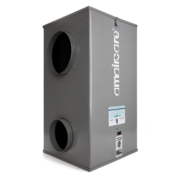
Whole home air purification systems offer an exceptional solution for improving indoor air quality with minimal effort. Amaircare provides innovative systems that integrate directly with your HVAC system, offering comprehensive air cleaning throughout your entire living space. We proudly partner with Green Home Solutions to purchase and install Amaircare’s whole home air purification systems.

Key Benefits of Amaircare Whole Home Air Purification

Amaircare’s whole home air purification system provides several significant advantages:

  1. Comprehensive Air Cleaning
    The Amaircare 10000 Whole House Air Purifier can clean up to 5,625 sq ft at 2 air exchanges per hour. It removes dust, mold spores, animal dander, seasonal pollen, dust mites, odors, and VOCs.
  2. Advanced Filtration Technology
  • Triple stage filtration system
  • Powerful 1000 CFM motor
  • Comes with 3 Prefilters, 3 HEPA filters, and 3 Inner Carbon Blankets
  • Optional carbon filter kits for enhanced VOC removal
  1. System Highlights
  • Quiet operation (48 dBA at 6 feet)
  • Variable speed control
  • 5-year manufacturer warranty
  • Baked thermoset powder finish steel construction
  • Easy twist HEPA filter that locks in place to prevent air leaks

By investing in an Amaircare whole home air purification system, you can create a healthier indoor environment, protect your family from indoor air pollutants, and breathe easier in every room of your home.


https://www.ductarmor.org/wp-content/uploads/2025/01/2021_0511_Amaircare_ProductStills_104_1__23275.jpg 1920 1920 Candace https://www.ductarmor.org/wp-content/uploads/2025/01/cropped-DuctArmor_Logo_272-2.png Candace2025-01-22 14:58:572025-01-30 10:11:36Whole Home Air Wash System

How to Solve Humidity Issues in Your Home

January 22, 2025/in Air Quality

There are lots of  ways to prevent mold growth and too much moisture in your home. The aprilaire E100 is a professional-grade, whole-house dehumidifier designed for efficient moisture control in spaces up to 5,500 sq. ft. It removes up to 100 pints of moisture daily, maintaining ideal indoor humidity levels (40-60%) to prevent mold, odors, and airborne pollutants.

Key features include:

  • Energy Efficiency: ENERGY STAR Most Efficient certification.
  • Ease of Use: Built-in digital controls, washable MERV 8 filter, and no water trays to empty.
  • Durability: Corrosion-resistant aluminum coils and a 5-year warranty.
  • Versatility: Suitable for basements, crawl spaces, and whole-home applications with ducting options.

This model is ideal for homeowners seeking reliable dehumidification with minimal maintenance.

https://www.ductarmor.org/wp-content/uploads/2025/01/dehumidifier.jpg 225 225 Candace https://www.ductarmor.org/wp-content/uploads/2025/01/cropped-DuctArmor_Logo_272-2.png Candace2025-01-22 10:24:072025-01-22 10:24:07How to Solve Humidity Issues in Your Home

Changing Air Filters In Your Home

January 17, 2025/in Air Quality
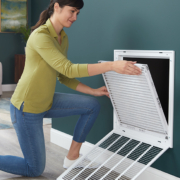
Maintaining clean air filters in your home goes beyond just your HVAC system. While changing your central HVAC air filter every 45-60 days is crucial, it’s equally important to consider other filters that impact your indoor air quality.
One often overlooked filter is your vacuum cleaner’s filter. A dirty vacuum filter can significantly contribute to poor indoor air quality.
When you vacuum with a clogged filter, the airflow forces contaminants through the filter and back into your home’s air. This process essentially defeats the purpose of vacuuming, as it redistributes dust, bacteria, and other particles throughout your living space.

To maintain optimal air quality, remember to:

  1. Change or clean your vacuum filter regularly according to the manufacturer’s instructions.
  2. Check and replace other household filters, such as those in air purifiers or range hoods.
  3. Keep up with your HVAC filter replacement schedule, adjusting as needed based on factors like pets, allergies, or increased system usage.

By maintaining all the filters in your home, not just your HVAC filter, you can significantly improve your indoor air quality and create a healthier living environment.

https://www.ductarmor.org/wp-content/uploads/2025/01/how-to-change-a-home-air-filter-2023-step-2.jpg 625 1025 Candace https://www.ductarmor.org/wp-content/uploads/2025/01/cropped-DuctArmor_Logo_272-2.png Candace2025-01-17 12:59:082025-01-17 13:00:19Changing Air Filters In Your Home
Page 2 of 3123

Categories

  • Air Quality
  • Damaged Ducting
  • HVAC Maintenance
  • Types of Ducts

Recent Posts

  • Helping Realtors Solve Duct Problems Fast

    Duct Armor — Helping Realtors Solve Duct Problems Fast Selling a home with in-slab ductwork issues can be stressful. Corroded, collapsed, mold, water intrusion from small holes and cracks, or ducts containing asbestos, often surface during inspections and can slow down closings or scare off buyers. At Duct Armor, we make these problems easy to […]

  • The Hidden Danger: Mold in Your Ductwork

    When mold makes its way into your air ducts, it’s not just an unpleasant sight—it’s a serious health concern. Every time your HVAC system runs, tiny mold spores can spread throughout your home or business, polluting the air you breathe. Over time, this can lead to allergy symptoms, respiratory issues, and even trigger asthma attacks. […]

  • Save 15% Transite Duct Sealing Special

    Breathe Better & Save 15% — Limited Time! Do you have Transite ductwork under your slab? This older type of duct material can break down over time, releasing dust, moisture, and asbestos fibers into your air. Duct Armor offers a safe, permanent solution that seals and restores your Transite ducts from the inside — without […]

Discover how Duct Armor can transform your air duct system.

Contact us today for more information or to schedule a consultation!

Request Information

What Our Customers Are Saying

I use duct armor of Central Indiana to seal my under the floor ducts because there was water seeping through caused by the high water table in the area. They did everything efficiently and I felt for a fair price. Both Josh and Ben came out and when they left, the job was clean. I’m super pleased with the way everything was done! I will be definitely using them again in the future. I highly recommend their services.

Richard L
Previous Previous Previous Next Next Next

Phone: 317-660-6285

Email: info@ductarmor.org

Follow Us

Mariner Finance

Apply Now

Authorized Dealer

Corporate Site: ductarmor.com

© 2026 - Duct Armor, All Rights Reserved
  • Website Design
Scroll to top Scroll to top Scroll to top