
Why asbestos shows up in slab homes
Asbestos in older slab-home ductwork is a real concern, but Duct Armor offers a way to make those ducts safe again without tearing up your floors.
Why asbestos is in your ducts
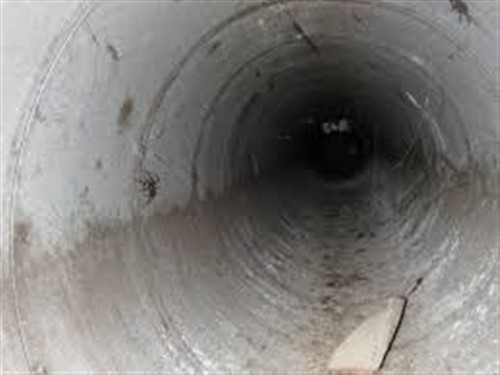
Many slab-on-grade homes from the 1960s–1970s used asbestos-containing transite pipe for in-floor duct systems. When those ducts crack or deteriorate, tiny asbestos fibers can enter the air and pose serious long-term health risks.
Why removal is so difficult
Taking out asbestos ducts in a slab usually means:
-
Jackhammering concrete and damaging finished floors.
-
Very high abatement and reconstruction costs.
-
Strict safety rules and the risk of fiber release during removal.
For many homeowners, full removal is not realistic.
How Duct Armor helps
Duct Armor is a thick, rubberized liner that is installed inside your existing ducts through the vents. It:
-
Encapsulates asbestos surfaces so fibers are sealed in and can’t enter the airstream.
-
Meets EPA guidelines for asbestos encapsulation while restoring airflow.
-
Also helps with rust, water damage, and dirt intrusion common in slab ducts.
Homeowners can typically stay in the house during the process because the material is water‑based and low-odor.
A smart option for older slab homes
For older slab-on-grade homes, rerouting ducts overhead can be messy and expensive. Encapsulating asbestos ducts with Duct Armor:
-
Avoids breaking up your slab and disrupting your home.
-
Protects your indoor air from asbestos and other contaminants.
-
Provides a cost-effective alternative to full asbestos removal and rebuild.
If you suspect your in-slab ductwork contains asbestos, Duct Armor can turn that risky, crumbling system into a clean, sealed, and usable duct network again